


Automotive Electronics

Driver Assistance

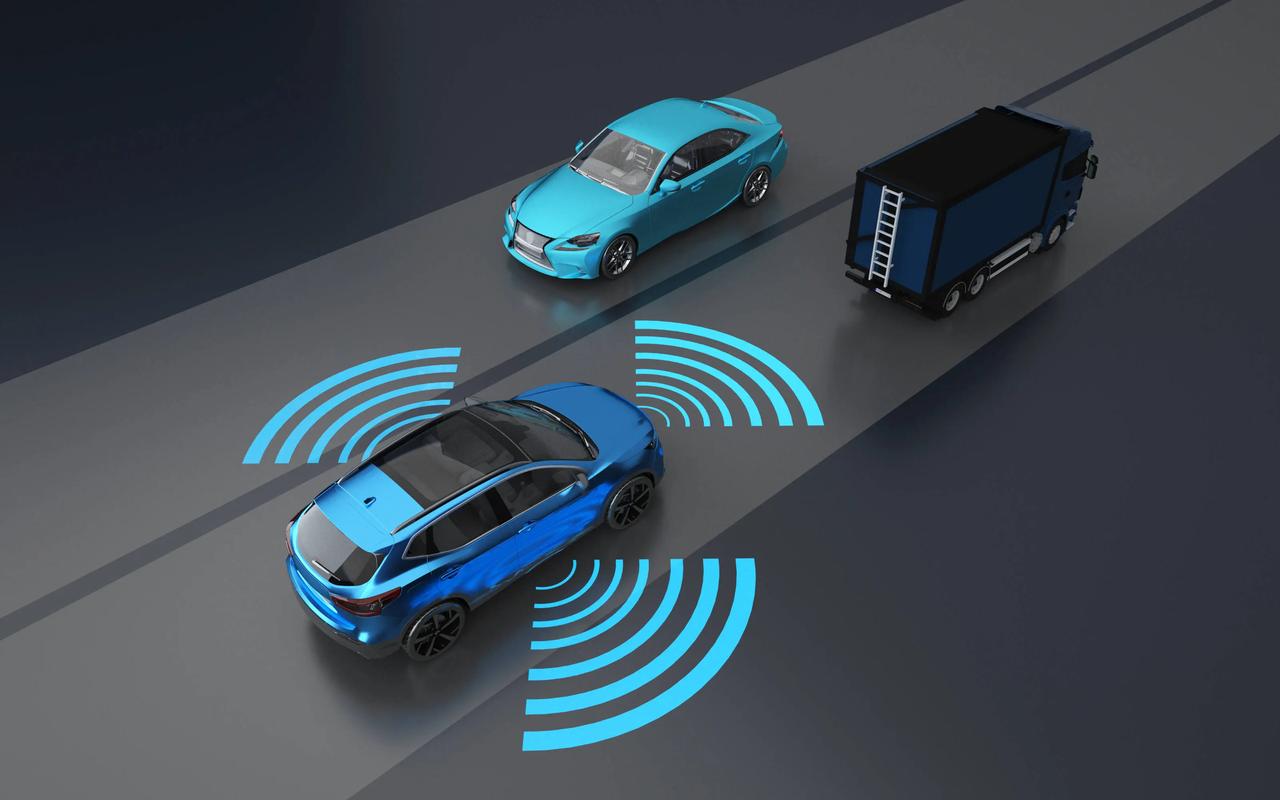
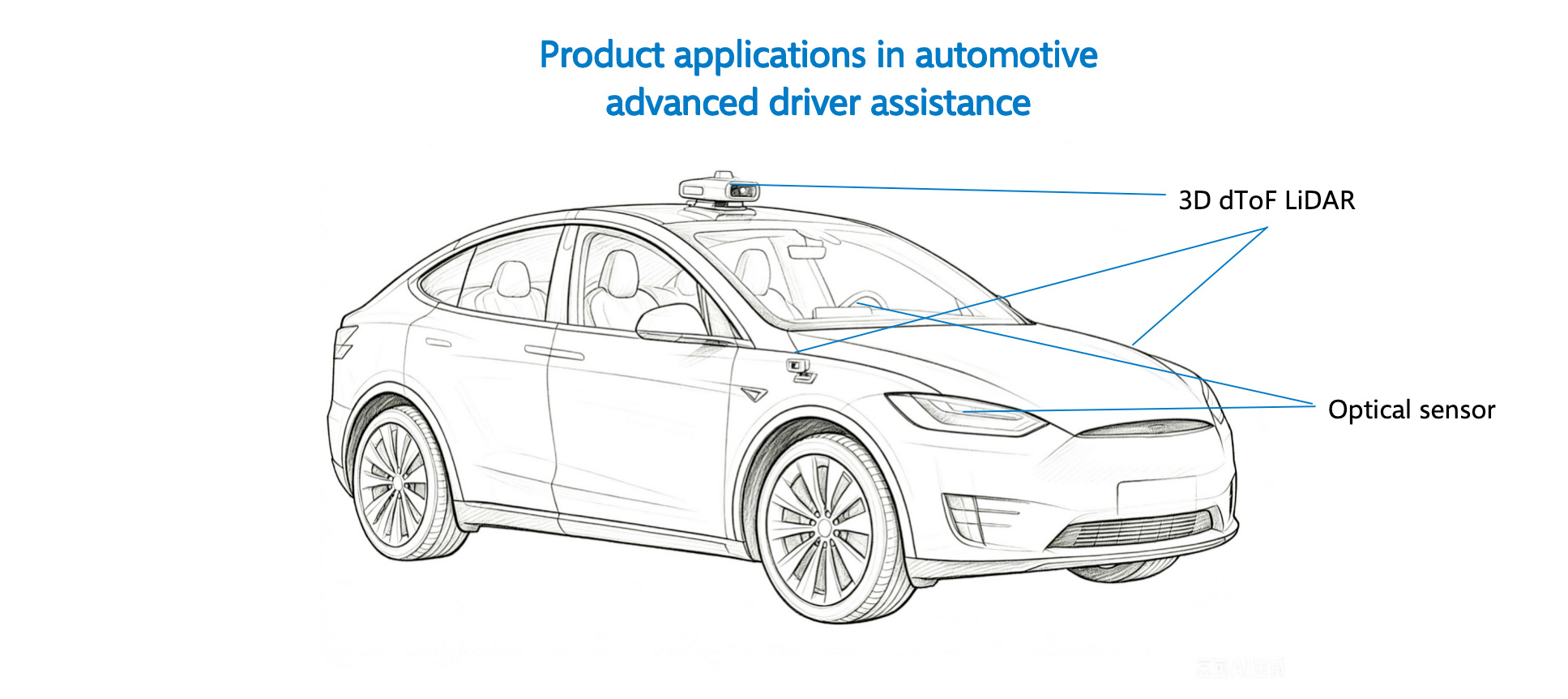
SI provides core automotive-grade chips for autonomous driving assistance systems. The 3D dToF LiDAR on the roof and around the vehicle body serves as the core of image perception, while optical sensors are arranged on the sides. This enables long-distance three-dimensional spatial ranging, obstacle recognition, and adaptive adjustment of ambient light, supporting core driver assistance functions such as lane assist, automatic obstacle avoidance, and automatic headlight dimming.
Our Advantages

  • Long-distance 3D environment perception

    3D dToF LiDAR can accurately generate three-dimensional point clouds around vehicles, identify vehicles, pedestrians, and road obstacles at long distances, and adapt to the obstacle avoidance needs of assisted driving in various scenarios such as highways and urban areas.

  • All-weather adaptive lighting system

    Optical sensors collect real-time ambient light intensity and automatically switch between high and low beams in conjunction with the headlights. They can automatically adjust for scenarios such as strong light, rainy nights, and tunnels, improving nighttime driving safety.

  • Automotive-grade high reliability design

    The chip is resistant to high and low temperatures, rain, dust, and electromagnetic interference, making it suitable for harsh automotive and outdoor operating conditions and ensuring stable perception during long-term continuous driving.

  • Multi-directional vehicle body layout adaptation

    The device is small in size and can be flexibly placed on the roof, front, and sides of the vehicle, taking into account both the overall vehicle appearance design and the need for all-area perception coverage.

Application diagram

图集1

Other application areas